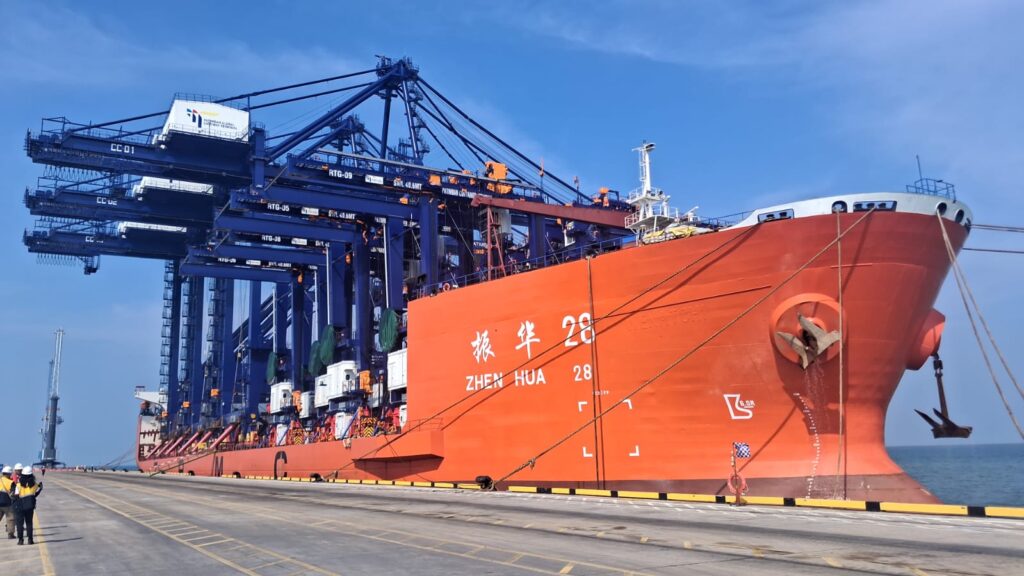
Subang, 19 November 2026 — Patimban Port has reached another significant milestone in the development of Indonesia’s national logistics infrastructure with the arrival of three Quay Cranes (QCs) and nine Rubber-Tyred Gantry Cranes (RTGs). The addition of these modern equipment units represents a strategic step towards strengthening the operational readiness of the container terminal, improving service productivity, and supporting Patimban’s development as one of Indonesia’s gateways to international trade.
Quay Cranes are essential equipment used to load and unload containers between vessels and the quay, while RTGs support container handling and stacking within the container yard. Together, these two types of equipment form an integral part of an efficient and integrated terminal operating system.
The unloading and positioning of the equipment are scheduled to take place in November 2026, followed by mechanical and electrical installation, functional testing, and commissioning, with the entire process expected to continue through December 2026.
Yukki Nugrahawan Hanafi, Commissioner of PT Pelabuhan Patimban International (PPI), described the arrival of the equipment as an important milestone in accelerating the development of Patimban Port.
“The arrival of three Quay Cranes and nine RTGs represents tangible progress in strengthening Patimban Port’s infrastructure readiness. This is part of our broader effort to develop a more productive and efficient port that can compete within international shipping networks,” said Yukki.
Strengthening National Industrial Connectivity
Patimban Port holds a strategic position due to its proximity to major industrial areas in West Java, including Bekasi, Karawang, Purwakarta, and Subang, which collectively serve as key centres of Indonesia’s manufacturing activities and international trade. The development of container terminal facilities is therefore expected to expand logistics service options for industries while supporting more efficient cargo distribution.
According to Yukki, Patimban should be viewed as an integral part of a complementary national port and logistics system, including its relationship with Tanjung Priok Port.
“Indonesia needs an integrated port system, rather than developing individual ports in isolation. Patimban has significant potential to strengthen connectivity across West Java’s industrial regions while contributing to greater efficiency throughout the national supply chain,” Yukki emphasised.
Yukki also highlighted that the availability of modern handling equipment is a key factor in building confidence among international shipping lines. With the addition of three Quay Cranes and nine RTGs, Patimban has the potential to increase its container handling capacity and productivity once all equipment has completed installation, testing, and commissioning.
“Shipping lines consider several critical factors, including productivity, service reliability, safety, and operational efficiency. Therefore, infrastructure development must go hand in hand with comprehensive improvements in service quality,” Yukki said.
Patimban’s Role in Regional Logistics Competitiveness
At the regional level, Indonesia faces increasingly intense competition from major Southeast Asian ports, including Singapore, Laem Chabang in Thailand, and Cai Mep–Thi Vai in Vietnam. These countries continue to strengthen their terminal capacity, digitalisation, hinterland connectivity, and supply chain efficiency to attract international trade flows.
Yukki emphasised that Indonesia must continue to strengthen its logistics competitiveness through infrastructure development, supported by service reforms and greater integration across transportation systems.
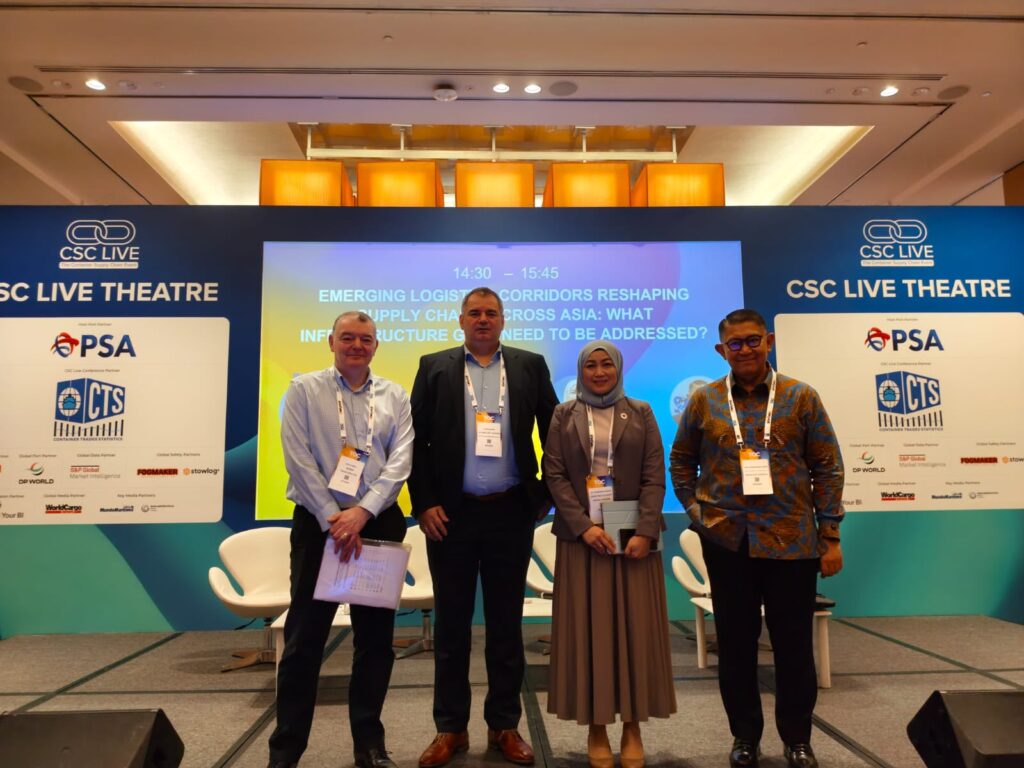
“Global competition today is no longer simply about competing ports, but about competing logistics ecosystems. Indonesia must ensure that infrastructure investments translate into lower logistics costs, more reliable services, and stronger competitiveness for national industries,” concluded Yukki, who also serves as Senior Vice President of FIATA (International Federation of Freight Forwarders Associations).