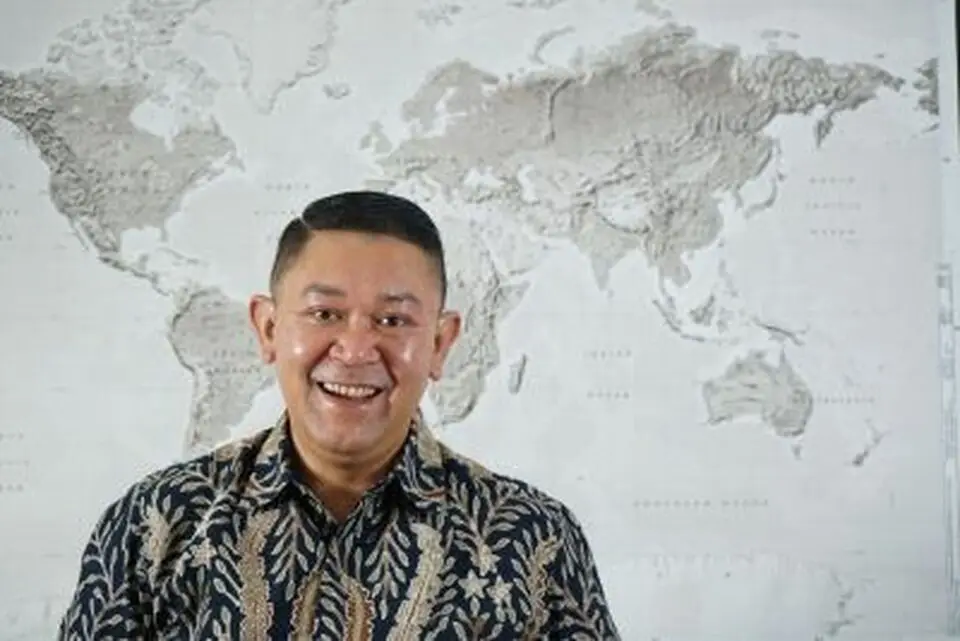
Yukki Nugrahawan Hanafi, Chairman of the Indonesian Logistics and Forwarders Association (ALFI), stated that Indonesia’s hosting of the G20 and B20 provided significant benefits and opportunities to attract investment into the country, particularly in the logistics sector and the development of global supply chains.
To maintain global supply chain connectivity, Indonesia’s G20 Presidency introduced “concrete deliverables”—a list of projects, programs, or tangible initiatives—as a new approach to achieving these goals.
“Global supply chains were a major topic of discussion at the G20 and B20. Indonesia also demonstrated its success in maintaining a trade surplus for 22 consecutive months since May 2020, even amid the Covid-19 pandemic. This achievement further opens opportunities for global investors, especially in the logistics sector, which recovered faster than others,” Yukki said in a press statement on Tuesday, November 22, 2022. He emphasized that logistics was one of the first sectors hit by the pandemic but also one of the fastest to recover.
However, he noted, Indonesia’s logistics and transportation sector is part of the global supply chain, meaning recovery requires collaboration, including partnerships with IT companies supporting the logistics industry. Yukki, who also serves as Chairman of the ASEAN Federation of Forwarders Association (AFFA), explained that collaboration could involve both IT solutions and better utilization of underused logistics facilities to enhance the global competitiveness of national products.
Kadin Boosts MSMEs
Yukki, who also serves as Coordinator for Organization, Law, and Information at Kadin Indonesia, attended the G20 and B20 in Bali. He highlighted the need for synergy among government, private sector, and MSMEs (micro, small, and medium enterprises) to help MSMEs scale up through access to financing, business mentoring, and market access.
He said the G20 and B20 in Bali provided a moment to showcase Indonesia as a major global player. Yukki noted that the world is currently facing challenges ranging from energy transitions to economic, food, and health crises.
“Therefore, we continue to promote MSME development in Indonesia, ensuring they grow stronger and gain global reach,” he said.
Government Initiatives to Improve Logistics
Yukki highlighted four government strategies to make Indonesia’s logistics and supply chains more effective and efficient:
- Infrastructure Prioritization – Developing strategic national projects such as roads, railways, ports, and airports to maintain supply chain connectivity.
- Special Economic Zones – Enhancing connectivity between logistics stakeholders.
- Integrated Digital Systems – Implementing platforms covering goods movement, documentation, and customer databases.
- E-commerce and Start-ups Collaboration – Supporting logistics integration with marketplaces and start-ups to improve service delivery.
Indonesia’s G20 Presidency, officially closed by President Joko Widodo, resulted in the G20 Bali Leaders’ Declaration and several tangible achievements:
Energy transition commitments, including US$20 billion from the Just Energy Transition Partnership (JETP).
Establishment of a Pandemic Fund totaling US$1.5 billion.
Creation and operationalization of the Resilience and Sustainability Trust (RST) under the International Monetary Fund (IMF), amounting to US$81.6 billion to assist countries facing crises.
—
The article has been published and can be accessed here