The global logistics federation FIATA (International Federation of Freight Forwarders Associations) views the issuance of Minister of Finance Regulation (PMK) No. 86 of 2025 on the Organization and Governance of the National Single Window Institution (LNSW), enacted in December 2025, as having significant potential to enhance Indonesia’s competitiveness. The regulation is also seen as a response to navigating changes in the global trade and supply chain landscape. FIATA believes that under this regulation, LNSW’s role will become more adaptive and innovative in creating added value for the national logistics and supply chain ecosystem.
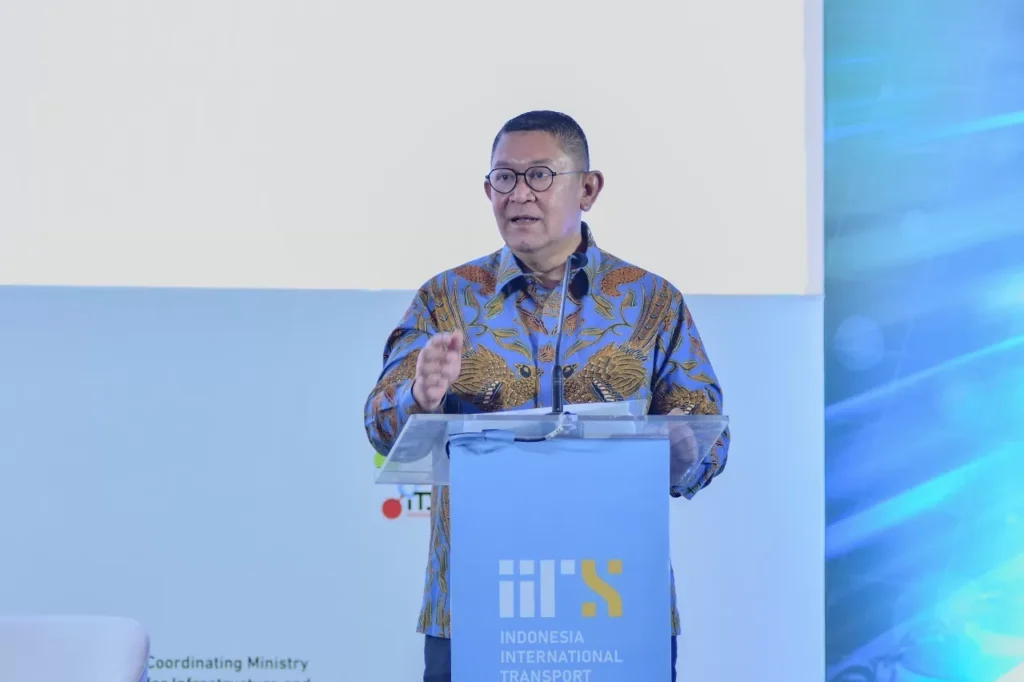
Senior Vice President of FIATA and Chairman of the Advisory Board of ALFI, Yukki Nugrahawan Hanafi, explained that the issuance of PMK 86/2025 is highly strategic and timely, reflecting the government’s seriousness in developing a stronger national logistics ecosystem.
“The shifting global trade and supply chain landscape following tariff wars requires countries to become more competitive. Governments around the world are becoming more adaptive and flexible in adjusting their logistics and supply chain strategies, including Indonesia. Therefore, PMK 86/2025 indicates that the government is adapting to these changes,” he said.
Yukki added that based on the contents of PMK 86/2025, the role of LNSW will increasingly focus on harmonizing and improving the efficiency of business processes that support the national logistics system. In addition, LNSW is given a more specific role in developing a digitalized national logistics system. This is reflected in the establishment of the Subdirectorate for Logistics System Development, which mandates digitalization through data-based applications and IT infrastructure—something that was not stipulated in the previous PMK 78/2022.
“The optimization of LNSW’s role in business efficiency and digitalization, as outlined in PMK 86/2025, enables various digital innovations to simplify document handling in licensing processes. Digitalization also includes the integration of real-time online cargo tracking platforms, the development of digital cargo databases, and customer service powered by Artificial Intelligence (AI). These innovations not only improve efficiency but also reduce operational costs and delays, while promoting transparency and collaboration among stakeholders,” Yukki emphasized.
For context, a 2023 Prospera survey found that the implementation of INSW has helped streamline the integration of export-import licensing services, achieving time efficiency of 56.4% and cost efficiency of 97.8%. However, users have also reported system-related constraints that hinder access to permits and documentation.
“Focusing on business process efficiency and logistics system digitalization is key to making INSW more competitive, adaptive, and innovative. With the organizational mandate set out in this new regulation, both national and international business players expect that LNSW governance can be effectively implemented—particularly in addressing system constraints, improving inter-agency coordination, and enhancing ease of doing business. While this regulation provides a strong foundation, its success will ultimately depend on strategic implementation,” Yukki concluded.
—
The article has been published and can be accessed here