Despite significant global and domestic challenges to overall economic growth and the logistics sector in particular, there is still potential for growth in 2025 if available opportunities are properly leveraged.
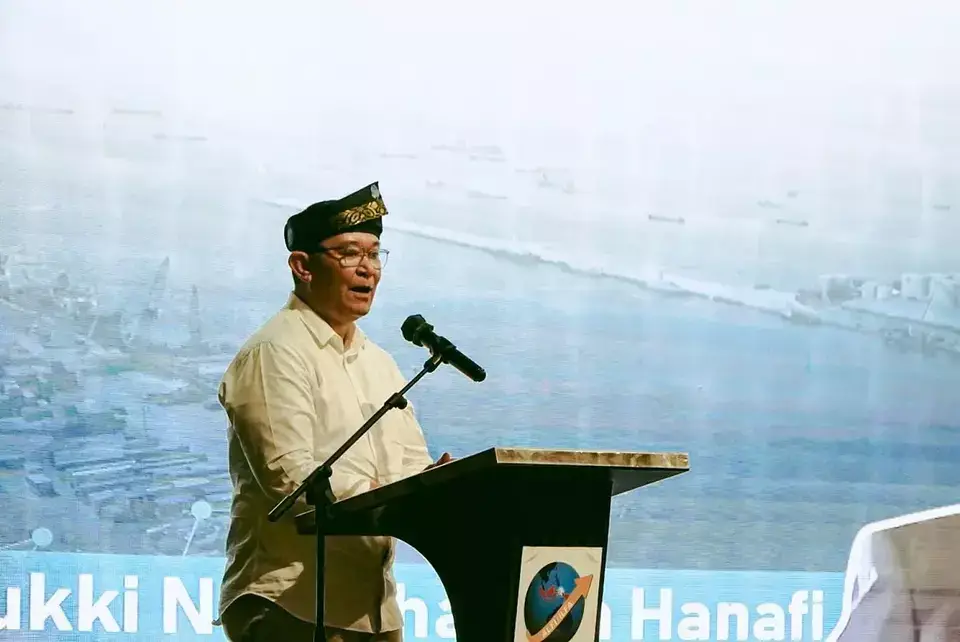
This was conveyed by Yukki Nugrahawan Hanafi, Chairman of the Board of Trustees of the Indonesian Logistics and Forwarders Association (ALFI/ILFA) and Regional Chairperson Asia-Pacific (RAP) of the International Federation of Freight Forwarders Associations (FIATA), during a discussion on business opportunities and challenges for the upcoming year.
Yukki, also Chairman of RAP FIATA, emphasized with optimism and realism that although external and domestic economic pressures may slow growth, Indonesia’s GDP growth is still projected to reach 5–5.1%. “Even though challenges such as domestic purchasing power remain a risk due to year-end policies like the 12% VAT increase and 6.5% minimum wage adjustment, we are optimistic that government spending can serve as a key driver to maintain growth levels,” he stated on Tuesday, December 24, 2024.
He also acknowledged potential disruptions in the global supply chain, including shifts in production and logistics centers, with ASEAN countries increasingly being considered as alternative production hubs for global markets.
“Indonesia, as the largest economy in ASEAN, has significant opportunities. As the world increasingly views ASEAN as a new economic center, we must seize this opportunity fully,” Yukki added.
Downstream Industrialization and Green Investment
Yukki highlighted that continuing downstream industrialization programs and increasing green investment could serve as pillars of Indonesia’s economic growth in 2025. Sustainable investments in environmentally friendly sectors, renewable energy, green infrastructure, and digital technology are seen as key to supporting national economic development. “We also see major opportunities in infrastructure development, including the government’s plan to build three million homes, as well as programs for food security and improving public welfare,” he said.
To achieve growth targets, he noted that the government must also support the purchasing power of the middle class, which contributes more than half of Indonesia’s GDP. Various incentives are needed to stimulate consumption and increase spending.
Yukki emphasized that national logistics companies should not be overly worried but rather should take advantage of available opportunities. He noted that Indonesia’s logistics sector could expand its market share due to global geopolitical issues and trade tensions.
Trade tensions, he added, are expected to drive foreign investment in Indonesia, boost domestic production, and increase export volumes. He specifically noted rising interest from Chinese investors. “This presents a huge opportunity for Indonesia,” he said.
Yukki also highlighted three main factors expected to influence the global and domestic economy in 2025:
- Trade tensions caused by U.S. import tightening policies, including higher tariffs under the new Donald Trump administration.
- U.S. Federal Reserve interest rate cuts that may fall below market expectations.
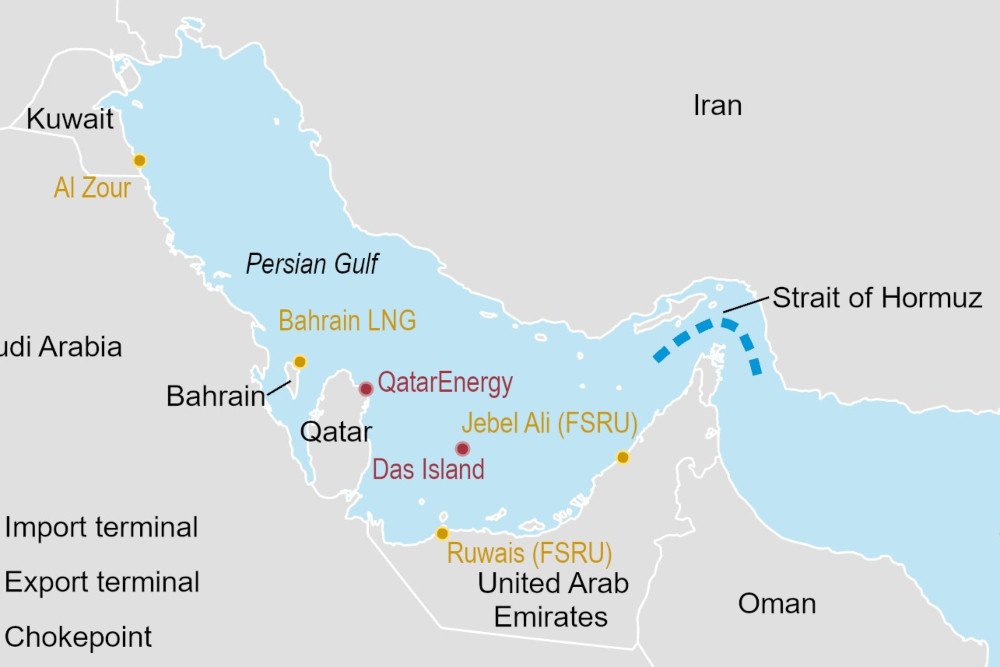
- Intensifying geopolitical tensions in the Middle East, affecting global supply chains and commodity prices.
“Companies can establish factories in Indonesia and still export products to the U.S. without facing the high tariffs that would apply if they exported directly from China,” he explained. This creates a major opportunity for Indonesia to attract more foreign investment while providing opportunities for domestic logistics companies to grow. Increased demand for Indonesian products could boost export volumes, benefiting national logistics companies.
“Higher demand for Indonesian products can significantly increase our export volumes, which will clearly benefit domestic logistics businesses,” Yukki said.
He further noted that rising demand will stimulate the growth of local industries.
“With higher demand, local industries will expand, and foreign investment will increase further,” he added.
However, Yukki reminded the government that local companies, including logistics service providers, should also benefit from this increase in foreign investment.
“We welcome foreign investment, but we hope national companies can participate more. The government must ensure that foreign investment provides greater benefits for Indonesia’s logistics sector,” he concluded.
—
This article has been published and can be accessed here