The global logistics federation FIATA (International Federation of Freight Forwarders Associations) is optimistic about Indonesia’s logistics and supply chain sector in 2026. This outlook is based on the sector’s resilience in facing global external shocks throughout 2025, along with sustained domestic demand.
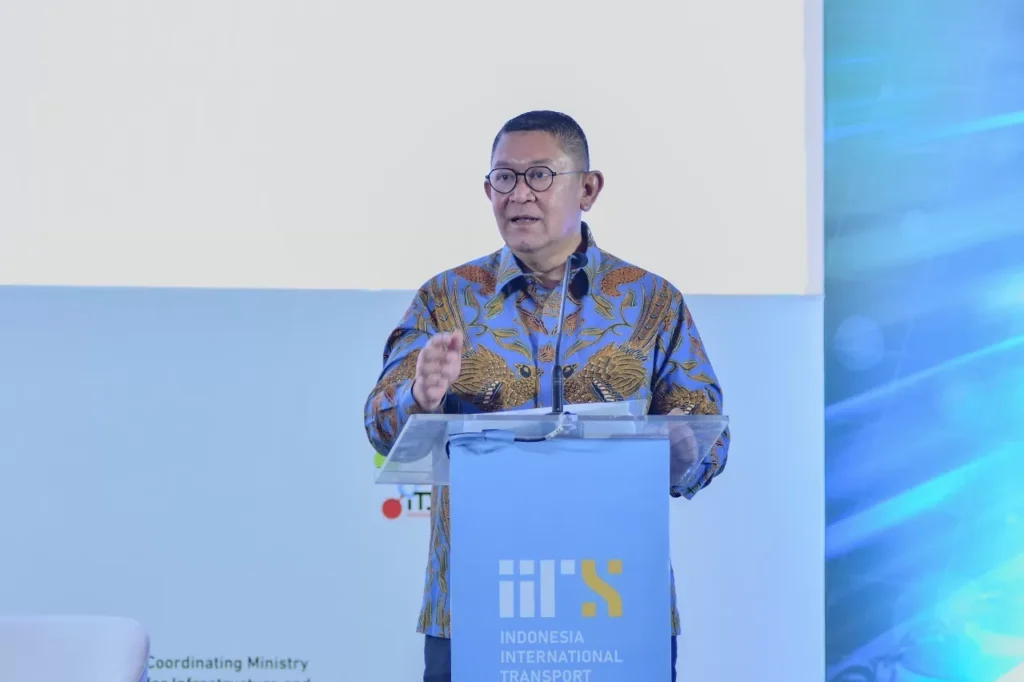
Senior Vice President of FIATA and Chairman of the Advisory Board of ALFI, Yukki Nugrahawan Hanafi, noted that the strength of the national logistics sector has contributed to Indonesia’s economic growth this year, providing a strong foundation for entering 2026.
“In 2025, external geopolitical factors and intensified trade wars affected demand and the logistics sector both globally and nationally. However, the sector continued to grow positively and contributed to Indonesia’s economic growth of 5%,” he said.
For context, the logistics sector showed consistent positive growth throughout 2025. According to data from Statistics Indonesia (BPS), logistics-related sectors—including warehousing and transportation—grew by 9.01%, 8.52%, and 8.62% over the last three quarters of 2025, contributing 6.08% to the national GDP.
Yukki further explained that in 2026, domestic factors will be the main drivers sustaining the positive trend in Indonesia’s logistics sector. These include strengthening domestic consumption and purchasing power, alongside the state budget (APBN) growth target of 5.4%, as well as the implementation of strategic government programs such as Koperasi Merah Putih, the Free Nutritious Meals Program (MBG), and liquidity injections that have multiplier effects on bank credit distribution.
“In addition, signs of strengthening consumption are already visible, as reflected in the expansion of the manufacturing sector, which reached a level of 53.3 in November—higher than at the beginning of January. The Consumer Confidence Index (CCI) also began to grow more aggressively in the second half of 2025. We believe this will continue to drive domestic spending demand and contribute to logistics sector demand next year,” Yukki said.
Although FIATA remains optimistic about 2026, Yukki emphasized the importance of maintaining caution regarding geopolitical challenges that could intensify at any time, as well as potential disruptions from the adoption of Artificial Intelligence (AI) in the logistics sector if businesses fail to adapt quickly.
“While domestic fundamentals are strong, we must remain aware of uncertainties following trade wars, which have created a ‘new normal’ in the global economic landscape and increased geopolitical tensions. In addition, the use of AI is becoming inevitable and is advancing rapidly. In the logistics sector, many multinational companies have adopted AI and become more efficient. We hope national business players will quickly adapt to using AI,” Yukki concluded.
—
The article has been published and can be accessed here