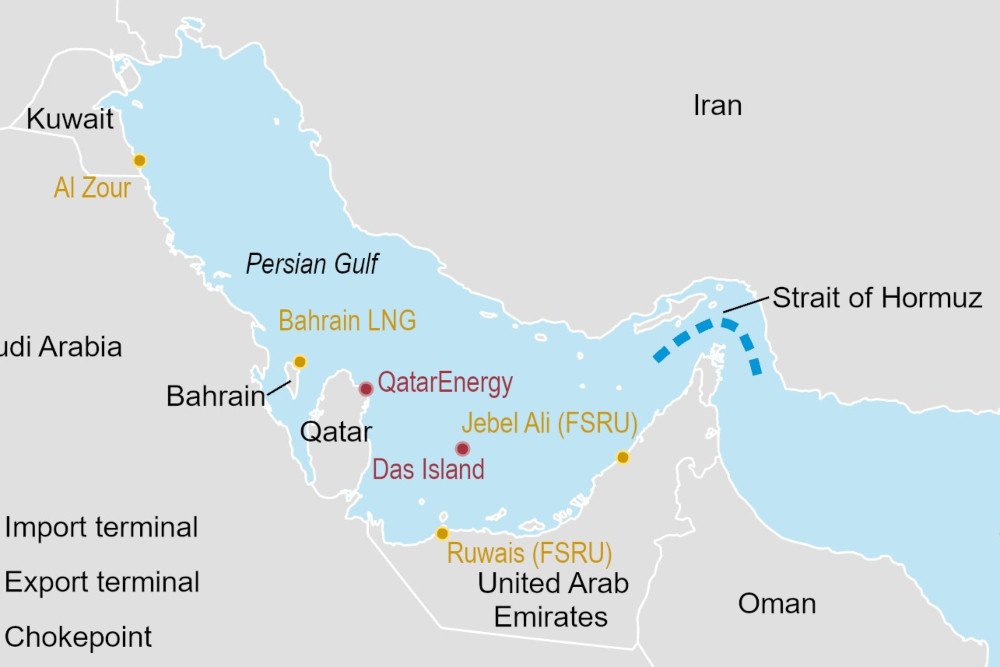
Rising tensions in the Middle East, particularly around the Strait of Hormuz, have posed serious risks to maritime and air transportation operations as well as the stability of global supply chains. The region serves as a vital energy trade route for 20–30% of the world’s oil supply and as a key container shipping corridor connecting the East and the West. Any escalation therefore has the potential to trigger systemic impacts on global logistics costs.
Senior Vice President of FIATA, Yukki Nugrahawan Hanafi, stated that the situation is highly dynamic and volatile, which may lead to operational changes in shipping schedules, cargo capacity, and global logistics costs.
“Navigation disruptions, rerouting of ships and aircraft, as well as spikes in insurance premiums could create significant pressure on global logistics costs in a short period of time,” he said.
Yukki emphasized that there are three direct impacts on logistics transportation disruptions and global supply chains.
First, maritime transportation.
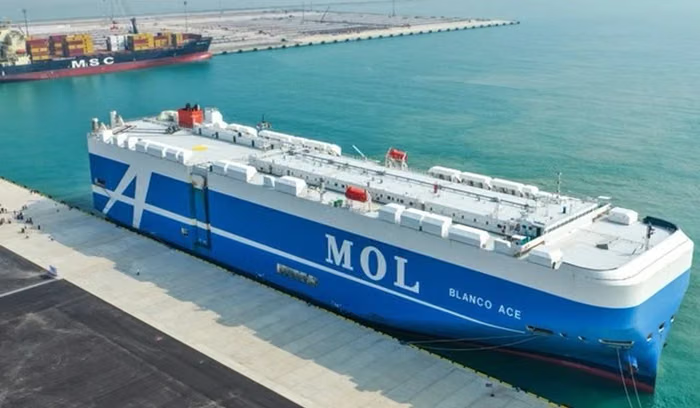
Heightened security risks have prompted a number of vessels to change routes, suspend voyages, or even turn back. The potential closure of strategic routes could trigger major disruptions in international shipping networks, including congestion at alternative ports due to rerouted traffic, as well as increases in war-risk premiums and operational surcharges.
Second, air transportation.
Restrictions and rerouting of airspace lead to longer transit times and increased fuel consumption, resulting in limited capacity and potential increases in air cargo rates.
Third, global supply chains.
Disruptions in the distribution of energy, petrochemicals, and manufacturing industries may drive up global freight costs, create contractual uncertainty, and increase the risk of delivery delays, affecting sectors such as retail and food supply.
“This conflict has the potential to become a major shock to global supply chains, with further impacts on inflation and slower economic growth across various countries,” Yukki added.
Furthermore, Yukki noted that both global and domestic business players need to remain vigilant and quickly adapt to the serious risks affecting the stability of global maritime and air transportation.
“To that end, FIATA, as a global logistics and freight forwarding organization, views that industry players need to strengthen risk management. This includes enhancing operational vigilance, ensuring insurance protection and premium negotiations as well as contract clarity, strengthening communication with customers, conducting international coordination, and preparing alternative routes and multimodal solutions. These measures are crucial to maintaining global economic stability,” Yukki concluded.
—
The original article has been published at Bisnis.com and can be accessed here