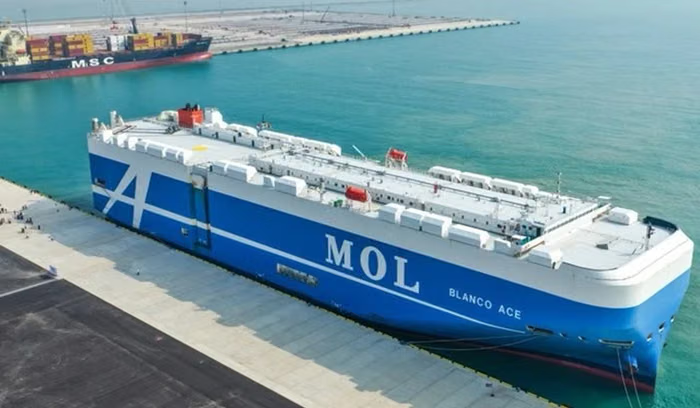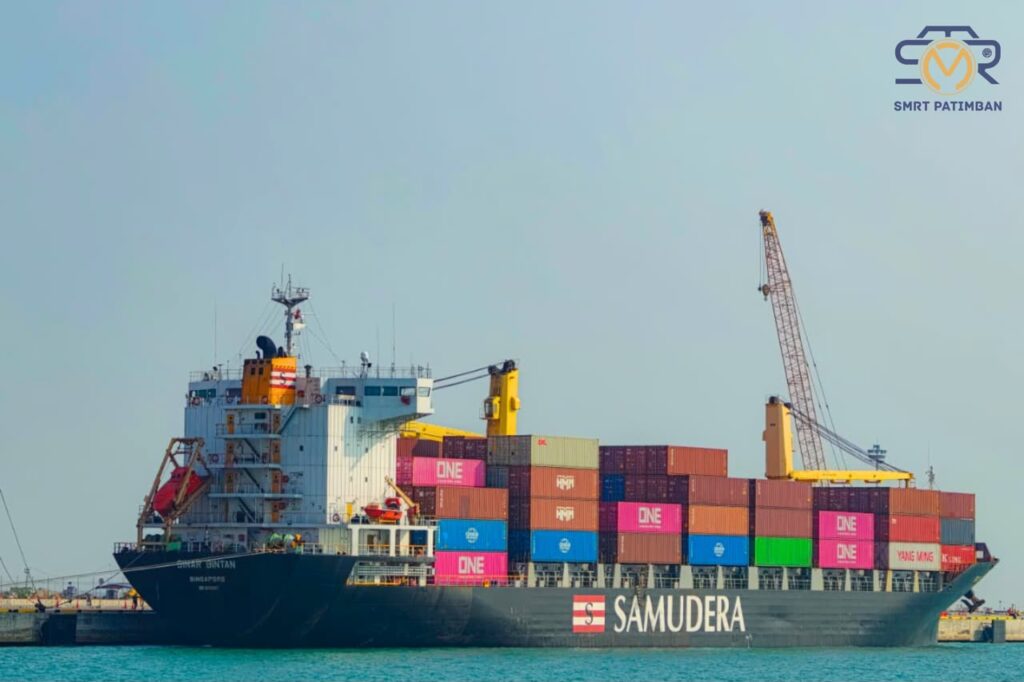
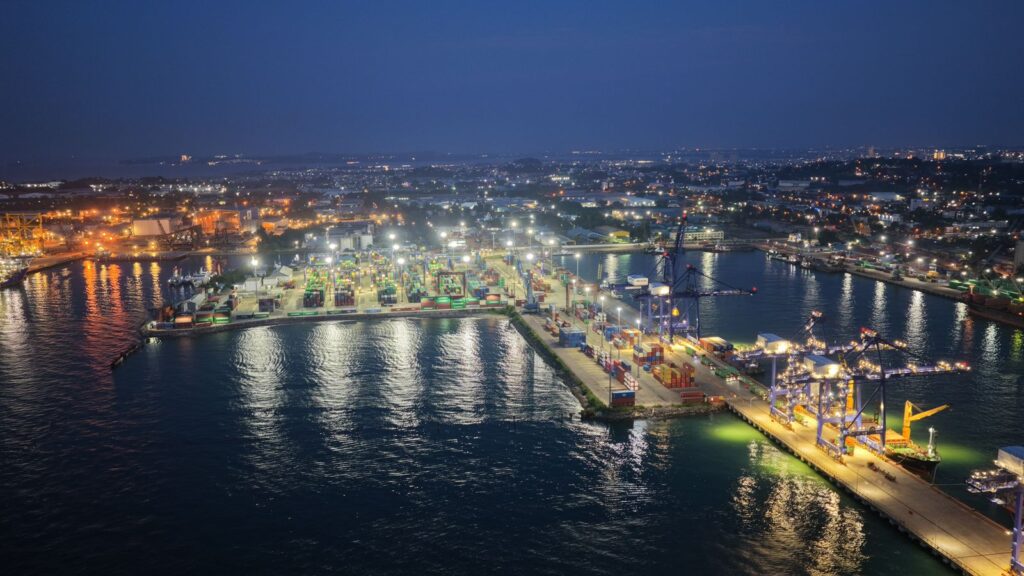
Jakarta, 9 July 2026 — Shifting geopolitical dynamics, the fragmentation of global trade, and the transformation of international supply chains present a historic opportunity for Indonesia to emerge as a new logistics powerhouse in Southeast Asia. Geographically, Batam is uniquely positioned to become Indonesia’s primary gateway to ASEAN and global markets.
Senior Vice President of the International Federation of Freight Forwarders Associations (FIATA) and Chairman of the Advisory Board of the ASEAN Federation of Freight Forwarders Associations (AFFA), Yukki Nugrahawan Hanafi, stated that Batam’s geographical advantages are unmatched by any other region in Indonesia. Located at the crossroads of the Indian and Pacific Oceans and in close proximity to Singapore and Malaysia, Batam occupies an exceptionally strategic position.
“Batam’s geographical proximity to Singapore and Malaysia should not be viewed as a threat, but rather as an opportunity to build regional collaboration that strengthens ASEAN’s collective competitiveness,” said Yukki.
The strategic importance of Batam is reflected in the volume of maritime traffic through the Strait of Malacca and the significance of ASEAN’s logistics sector. According to UNCTAD, more than 100,000 vessels transited the Strait of Malacca throughout 2025, carrying approximately 22–25 percent of global maritime trade annually. Meanwhile, research by Mordor Intelligence projects the ASEAN freight and logistics market to expand from US$288.2 billion in 2025 to US$390 billion by 2030, representing a compound annual growth rate (CAGR) of 6.23 percent, driven by manufacturing expansion, e-commerce growth, and cross-border investment across the region.
Yukki emphasized that geographical advantages alone are insufficient to win today’s increasingly competitive logistics and supply chain landscape. Future competitiveness will depend on the ability to develop an integrated logistics ecosystem that seamlessly connects ports, airports, industrial estates, free trade zones, modern warehousing, customs services, multimodal transportation, and digital platforms within a unified system.
“Port modernization must become a national priority. Port transformation is no longer merely about expanding berth capacity; it also encompasses business process digitalization, enhanced container terminal productivity, and the adoption of international standards that strengthen the confidence of global business players,” he said.
He believes that Batu Ampar Port has significant potential to evolve into a regional container gateway, serving western Indonesia while supporting transshipment activities, regional distribution, and multimodal connectivity.
In addition to its seaport infrastructure, Yukki highlighted Hang Nadim International Airport as a strategic asset that has yet to be fully utilized. With a 4,025-meter runway—one of the longest in Indonesia—and extensive land availability, Hang Nadim has strong potential to develop into an ASEAN Air Cargo Hub.
“The development of the Aerocity area, Maintenance, Repair and Overhaul (MRO) facilities, cold chain infrastructure, and express cargo services will further strengthen Batam’s position as an integrated air logistics hub connected to its seaport network and industrial zones. The sea-air logistics concept, integrating Batam Port and Hang Nadim Airport, offers a competitive advantage for the logistics sector, particularly in reducing both transportation costs and transit time,” Yukki emphasized.
Supply Chain Resilience Has Become a National Strategic Priority
According to Yukki, the COVID-19 pandemic and various geopolitical conflicts have demonstrated that supply chain resilience is no longer merely an operational concern, but a strategic national imperative to safeguard economic competitiveness. Consequently, logistics transformation must be supported by the adoption of technologies such as artificial intelligence (AI), the Internet of Things (IoT), blockchain, digital customs, predictive logistics, and port community systems, underpinned by consistent regulations and sound governance.
In this context, Yukki noted that international organizations such as the ASEAN Federation of Freight Forwarders Associations (AFFA) and the International Federation of Freight Forwarders Associations (FIATA) continue to promote regulatory harmonization and stronger logistics connectivity across ASEAN to build more resilient and efficient supply chains.
“Batam can serve as the ideal laboratory to realize this vision through the integration of seaports, airports, industrial estates, free trade zones, and the national logistics network,” Yukki said.
Yukki concluded by emphasizing that this ambitious vision is entirely achievable, provided that development is carried out in an integrated manner and supported by regulatory certainty, accelerated investment, streamlined licensing procedures, and close collaboration among the Government, BP Batam, airport operators, the business community, universities, and professional associations.
“From Batam, Indonesia can lead ASEAN connectivity, strengthen regional supply chain resilience, and reinforce its position as a respected global maritime and logistics hub. In other words, Batam’s success will not only enhance the competitiveness of the Riau Islands but also strengthen Indonesia’s position within international trade networks, expand investment opportunities, create high-quality jobs, and accelerate national economic growth,” Yukki concluded.
—
Original article can be accessed here